Oxygen Concentrator Price in Bangladesh 2026: Complete Buying Guide
Oxygen Concentrator Price in Bangladesh 2026: oxygen concentrator buying guide
Introduction
Choosing the right oxygen concentrator can feel confusing, especially if you are buying one for a family member who needs supplemental oxygen at home. There are different capacities, oxygen output levels, technologies, brands, and price ranges available in Bangladesh. So how do you know which machine fits your needs? This oxygen concentrator buying guide is designed to make that decision easier by explaining the important factors in simple language.
An oxygen concentrator is more than just another medical device. For someone who has been advised to use supplemental oxygen, the machine can become an important part of daily life. Unlike a conventional oxygen cylinders, a concentrator does not require regular cylinder refilling. It draws air from the surrounding environment, separates oxygen from other gases, and delivers concentrated oxygen to the user. However, the right choice depends on your medical requirements, oxygen flow, usage duration, portability, power availability, maintenance, and budget. Follow the oxygen concentrator buying guide.
If you are searching for the best oxygen concentrator in Bangladesh, do not make your decision based on price alone. A low-cost machine may not provide the required oxygen concentration or operating reliability. On the other hand, buying a high-capacity model when you only need a basic unit can unnecessarily increase your expenses. Think of it like buying a vehicle: the best option is not necessarily the biggest or most expensive one. It is the one that matches your actual needs.
This guide explains oxygen concentrator types, how these machines work, what features matter, their advantages and disadvantages, and what you should check before purchasing an oxygen concentrator for home use.
What Is an Oxygen Concentrator?
An oxygen concentrator is a medical device designed to provide concentrated oxygen from ordinary room air. Normal atmospheric air contains mostly nitrogen and approximately 21% oxygen. The concentrator uses a specialized filtration and separation process to reduce the amount of nitrogen and deliver oxygen-rich air through a nasal cannula or oxygen mask.
Unlike oxygen cylinders, concentrators do not store a fixed quantity of oxygen inside a tank. They continuously produce concentrated oxygen while the machine is operating and has access to electricity or another suitable power source. This makes them particularly useful for people who require oxygen therapy for extended periods.
The best oxygen concentrator in Bangladesh for home use is generally designed for convenient operation in residential environments. Depending on the model, it may provide continuous-flow oxygen and offer adjustable flow settings. Some compact units are designed for portability, while larger stationary machines are intended to remain in one location.
Why Are Oxygen Concentrators Used?
Doctors may recommend supplemental oxygen for people whose blood oxygen levels are insufficient because of certain respiratory or cardiovascular conditions. The specific oxygen flow and duration should always be determined by a qualified healthcare professional.
The best oxygen concentrator in Bangladesh can provide a practical oxygen source when oxygen therapy is required regularly. It can also reduce the logistical inconvenience associated with repeatedly purchasing or refilling cylinders. However, it should never be treated as a substitute for professional medical advice.
Oxygen Concentrator vs Oxygen Cylinder
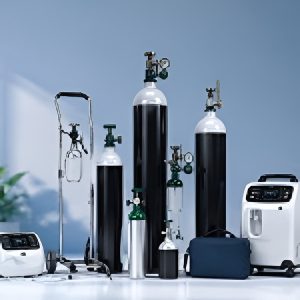
The biggest difference is how oxygen is supplied. An oxygen cylinder stores compressed oxygen, while a concentrator extracts and concentrates oxygen from the surrounding air.
The cylinder eventually becomes empty and needs to be refilled or replaced. A best oxygen concentrator in Bangladeshcan continue to operate as long as it has an appropriate power supply and remains functional. This can make a concentrator particularly convenient for long-term home use.
However, cylinders have an important advantage during power interruptions because they do not depend on electricity while oxygen remains available in the tank. Therefore, households using a concentrator should consider having an appropriate backup oxygen plan based on medical advice.
How Does an Oxygen Concentrator Work?
So, how does an oxygen concentrator work? The process is surprisingly clever. Imagine the machine as a highly specialized air-sorting system. It takes ordinary room air and separates its components so that oxygen can be delivered at a much higher concentration.
First, the machine draws surrounding air through an intake filter. The air then passes through a molecular sieve, commonly based on zeolite material. This sieve preferentially adsorbs nitrogen while allowing oxygen and certain other gases to pass through. The concentrated oxygen is then delivered through the outlet to the patient.
The Oxygen Separation Process
Most modern oxygen concentrators use pressure swing adsorption technology. The system contains sieve beds that alternate between adsorption and regeneration.
During one part of the cycle, compressed air enters a sieve bed. Nitrogen is captured by the sieve material, allowing oxygen-rich gas to continue toward the oxygen outlet. The machine then reduces pressure in that sieve bed, allowing the trapped nitrogen to be released back into the atmosphere.
The process repeats continuously. Because the sieve beds work in alternating cycles, the machine can maintain a relatively steady oxygen supply during operation.
Why Oxygen Concentration Matters
Oxygen concentration is one of the most important specifications when choosing a concentrator. A machine may be marketed with a certain flow capacity, but you should also understand how its oxygen concentration behaves at different flow settings.
Higher flow does not automatically mean better performance. In many machines, oxygen concentration can vary depending on the selected flow rate, operating conditions, maintenance, and model design. Therefore, the required oxygen flow should come from a healthcare professional, while the machine should be selected to reliably meet that requirement.
Oxygen Concentrator Types
Understanding the main oxygen concentrator types can help you narrow your options quickly. Although manufacturers offer many different models, they can generally be divided according to their intended use, oxygen delivery method, and portability.
Stationary Oxygen Concentrators
Stationary concentrators are primarily designed for home use. They are usually larger and heavier than portable models and are intended to remain in one location.
They are suitable for people who require regular oxygen therapy at home. Many stationary models offer continuous-flow oxygen and are designed for extended operation.
Portable Oxygen Concentrators
Portable oxygen concentrators are smaller and easier to transport. They may be useful for users who need greater mobility outside the home.
However, portability often involves compromises involving oxygen output, battery duration, weight, or operating characteristics. Before choosing a portable unit, consider whether its oxygen delivery mode and capacity are appropriate for the user’s prescribed therapy.
Continuous-Flow Oxygen Concentrators
Continuous-flow models deliver oxygen continuously while operating. These machines are commonly used in home oxygen therapy because they can provide a steady oxygen supply.
If your doctor has prescribed continuous oxygen, verify that the selected concentrator specifically supports the required continuous-flow rate.
Pulse-Dose Oxygen Concentrators
Pulse-dose machines deliver oxygen in response to inhalation rather than continuously releasing oxygen. The device detects the user’s breathing and provides a measured oxygen pulse.
Pulse-dose technology can help conserve oxygen and battery power in portable applications. However, it is not appropriate for every user. Whether pulse-dose oxygen is suitable depends on the individual’s breathing pattern and clinical requirements.
Key Factors to Consider Before Buying
The most useful part of an oxygen concentrator buying guide is knowing what to check before spending your money. A machine can look impressive in a product photo, but technical specifications determine whether it is appropriate.
Oxygen Flow Rate
Flow rate refers to the amount of oxygen delivered, commonly expressed in liters per minute. Different users may require different flow rates.
Never select a machine simply because it has a higher number. The correct flow requirement should be based on medical advice. Once you know the required flow, choose a concentrator capable of consistently meeting it.
Oxygen Concentration
Check the manufacturer’s stated oxygen concentration range and the conditions under which that concentration is achieved.
A reliable machine should be capable of delivering oxygen within its specified performance range when properly maintained and operated according to the manufacturer’s instructions.
Operating Hours
If the machine will be used for long periods, consider its suitability for extended operation. Some concentrators are designed specifically for prolonged daily use.
Ask about recommended operating cycles, maintenance requirements, noise levels, and expected service intervals before purchasing.
Power Consumption
Electricity is an important consideration for an oxygen concentrator for home use. Check the machine’s power requirements and make sure your household electrical system is compatible.
If power interruptions are common in your area, plan for an appropriate backup solution. Depending on the situation, this may involve a backup cylinder, a power backup system, or another medically appropriate arrangement.
Noise Level
A concentrator contains a compressor, so some operating noise is normal. However, excessive noise can become uncomfortable, especially if the machine is used near a sleeping area.
If the user will operate the machine at night, a quieter model may provide a more comfortable experience.
Portability and Weight
If the machine will stay beside a bed, portability may not be a major priority. If the user needs to move it between rooms or travel, weight and design become more important.
Do not sacrifice the required oxygen performance merely to get a lighter machine. Medical suitability should come first.
Alarm and Safety Features
Look for useful alerts such as power failure alerts, low oxygen concentration warnings, high-temperature alerts, or other operational indicators provided by the manufacturer.
These features can help users recognize potential problems early.
Benefits of an Oxygen Concentrator
An oxygen concentrator can offer several practical benefits when appropriately selected and medically indicated.
- Continuous oxygen production while the machine operates
- No routine cylinder refilling
- Convenient for regular home oxygen therapy
- Available in different capacities and designs
- Some models are suitable for extended daily operation
- Portable options can provide greater mobility
- Oxygen production does not depend on storing a large compressed-gas tank
- Useful for households seeking a practical long-term oxygen source
The convenience factor is particularly important. Instead of arranging frequent cylinder refills, a concentrator can generate concentrated oxygen from ambient air. For many households, that can make oxygen therapy easier to manage.
Another benefit is space efficiency. Although stationary concentrators require a dedicated area, they eliminate the need to store multiple oxygen cylinders. This can simplify home oxygen arrangements, provided the machine is used safely and maintained correctly.
Pros and Cons of Oxygen Concentrators
Pros
One of the biggest advantages is convenience. A concentrator can continuously produce oxygen without needing a traditional refill every time its oxygen supply is depleted.
Another advantage is long-term practicality. For people who require regular oxygen therapy, avoiding repeated cylinder refilling may reduce logistical challenges.
Concentrators also come in different sizes and configurations. This means users can select a model based on oxygen requirements, home environment, and mobility needs.
Cons
The main limitation is dependence on electricity. If power is interrupted, the concentrator cannot operate unless an appropriate backup power source is available.
Another consideration is maintenance. Filters, tubing, and other components require proper care. Poor maintenance can affect performance and hygiene.
The machine also produces some noise and heat during operation. For certain users, these factors may matter when deciding where to place the unit.
Finally, not every concentrator is suitable for every patient. The correct flow rate, delivery method, and oxygen requirements must be considered before purchase.
How to Choose the Best Oxygen Concentrator in Bangladesh
Searching for the best oxygen concentrator in Bangladesh can lead you to many different brands and models. Instead of asking only, “Which brand is best?” ask a better question: “Which machine is best for this user’s actual oxygen requirement?”
Start with the prescribed oxygen flow. Then consider whether the machine needs continuous flow or pulse-dose delivery. After that, evaluate oxygen concentration, operating capacity, power consumption, noise, warranty, service support, replacement parts, and price.
Check out the Complete Specification
Do not rely only on a product name or headline specification. Review the complete technical details.
Important specifications may include oxygen flow range, oxygen concentration, power consumption, dimensions, weight, noise level, alarm functions, operating conditions, and warranty information.
Consider After-Sales Support
Medical equipment is different from ordinary household electronics. After-sales support matters.
Before buying, ask whether replacement filters, tubing, accessories, and other service components are available. You should also understand the warranty terms and where technical support can be obtained.
Comparing Price With Long-Term Value
The cheapest machine is not necessarily the most economical option. A machine that performs reliably, has accessible replacement parts, and receives proper service may provide better long-term value.
When comparing the oxygen concentrator price in Bangladesh, consider both the initial purchase price and ongoing operating requirements.
Oxygen Concentrator Price in Bangladesh 2026
The oxygen concentrator price in Bangladesh can vary considerably depending on oxygen capacity, brand, technology, portability, features, build quality, and included accessories.
Entry-level home concentrators may be more affordable, while higher-capacity or advanced portable models can cost significantly more. Imported models may also have different pricing depending on availability, warranty, distribution, and after-sales support.
Because prices can change over time, buyers should confirm the current price, warranty, specifications, and availability before placing an order. More importantly, do not select a machine simply because it has a lower price. A medical device must first meet the user’s functional and clinical requirements.
At Oxygen Hub BD, buyers can focus on comparing suitable medical equipment based on their intended application rather than treating price as the only deciding factor.
| S.L # | Product Name | Price |
| 1 | Oxygen Concentrator 5-Liter | 45,000.00৳ |
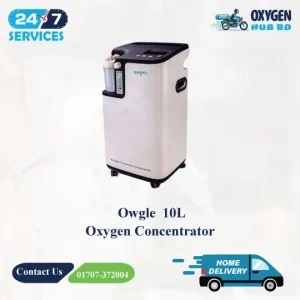
| 2 | Owgles 10-L Oxygen Concentrator | 70,000.00৳ |
| 3 | Portable Oxygen Concentrator | 20,000.00৳ |
| 4 | Folee Oxygen Concentrator 9.9L | 50,000.00৳ |
| 5 | Longfian Oxygen Concentrator 10L | 77,900.00৳ |
| 6 | Longfian Oxygen Concentrator 5L | 44,900.00৳ |
| 7 | Angel Biss Oxygen Concentrator | 35,000.00৳ |
How to Use an Oxygen Concentrator Safely
Using an oxygen concentrator correctly is essential. First, place the machine in a well-ventilated area with adequate clearance around the air intake and exhaust. Do not cover the unit while it is running.
Connect the oxygen tubing and prescribed interface according to the manufacturer’s instructions. Set the oxygen flow exactly as directed by the healthcare professional. Do not increase or decrease oxygen flow simply because you feel that more or less oxygen might be better.
Important Oxygen Safety Rules
Oxygen supports combustion, so keep the machine away from cigarettes, flames, candles, gas burners, and other ignition sources.
Do not use oil, grease, petroleum-based products, or flammable substances around oxygen equipment unless specifically approved for that purpose.
Keep tubing arranged safely so it does not create a tripping hazard. Inspect tubing and accessories regularly for visible damage.
Maintenance Tips for Better Performance
Proper maintenance helps protect the performance and lifespan of an oxygen concentrator. Follow the manufacturer’s cleaning and maintenance instructions rather than relying on assumptions.
Filters should be inspected and cleaned or replaced according to the manufacturer’s recommendations. Tubes and nasal cannulas should also be kept clean and replaced when necessary.
Keep the concentrator away from excessive dust, moisture, and extreme temperatures. Good ventilation is important because the machine draws in surrounding air and generates heat during operation.
When Should You Seek Technical Support?
If the machine produces unusual sounds, displays an unexpected alarm, overheats, stops producing oxygen normally, or behaves differently from its usual operation, stop and check the manufacturer’s instructions.
If the issue cannot be resolved safely, contact qualified technical support. Do not open or modify the machine yourself unless you are trained and authorized to do so.
Who Needs an Oxygen Concentrator for Home Use?
An oxygen concentrator for home use may be appropriate for individuals who have been prescribed supplemental oxygen and require regular therapy outside a hospital setting.
However, needing oxygen is a medical decision. A person’s symptoms alone are not enough to determine whether oxygen therapy is appropriate. Oxygen therapy should be used under professional guidance, with the flow and duration determined according to the individual’s clinical needs.
For families purchasing equipment for an elderly relative or someone recovering at home, professional guidance is particularly important. The machine should support the prescribed therapy, not replace medical assessment.
Common Mistakes to Avoid When Buying
One common mistake is choosing a concentrator based solely on price. Another is assuming that every machine with the same advertised flow rate performs identically.
Some buyers also overlook power consumption, noise, warranty, service availability, and replacement accessories. These details may seem minor during the purchase but can become important after weeks or months of regular use.
Another mistake is buying a portable concentrator without checking whether its delivery mode matches the user’s prescription. Portability sounds attractive, but the machine must still deliver oxygen appropriately for the intended user.
Why Buy From a Reliable Medical Equipment Supplier?
Buying medical equipment from a reliable supplier can make the purchasing process easier. A trustworthy supplier should provide clear product information, explain important specifications, and help customers understand what they are purchasing.
At Oxygen Hub BD, the goal is to make medical equipment purchasing more straightforward by providing relevant product information and solutions for customers in Bangladesh. When purchasing an oxygen concentrator, customers should have access to clear specifications, appropriate product guidance, warranty information, and after-sales support.
The right supplier should not simply ask, “What is your budget?” A better approach is to understand the intended use first, then help identify suitable options within that budget.
Conclusion
Choosing the right oxygen concentrator does not have to be complicated. The key is to focus on the user’s actual oxygen requirement, prescribed flow rate, delivery method, oxygen concentration, operating hours, power needs, portability, safety features, maintenance, warranty, and after-sales support. A good oxygen concentrator buying guide should help you look beyond marketing claims and make a practical decision.
If you are searching for the best oxygen concentrator in Bangladesh, remember that the best machine is not automatically the most expensive or most powerful model. It is the one that safely and reliably meets the user’s requirements. Before purchasing an oxygen concentrator for home use, consult the appropriate healthcare professional, compare specifications carefully, and choose a dependable supplier such as Oxygen Hub BD.
Frequently Asked Questions
1. What is the main purpose of an oxygen concentrator?
An oxygen concentrator takes oxygen fthe rom surrounding air, removes much of the nitrogen, and provides oxygen-enriched gas for supplemental oxygen therapy. It is commonly used when a healthcare professional has determined that additional oxygen is required.
2. How does an oxygen concentrator work?
An oxygen concentrator draws in room air and passes it through molecular sieve material. The sieve captures nitrogen, allowing oxygen-rich gas to be delivered through an outlet. Most modern units use pressure swing adsorption technology to repeat this process continuously.
3. Is an oxygen concentrator better than an oxygen cylinder?
Neither option is universally better. A concentrator can be convenient for regular home use because it continuously produces oxygen while powered. The cylinder stores oxygen and can remain useful during power interruptions. The appropriate option depends on the user’s needs and circumstances.
4. What should I check before buying an oxygen concentrator?
Check the prescribed oxygen flow, oxygen concentration, delivery method, power consumption, operating capacity, noise level, alarms, portability, warranty, maintenance requirements, and availability of replacement parts.
5. Can I use an oxygen concentrator at home?
Yes, many concentrators are specifically designed for home oxygen therapy. However, oxygen therapy should be used according to professional medical advice, including the prescribed flow rate and duration.